Cold weather can create serious challenges for commercial plumbing systems. While Atlanta winters are typically mild, periods of freezing temperatures can still put facilities at risk for frozen pipes, water damage, emergency repairs, and operational disruptions.
For facility managers, property managers, and building owners, preparing plumbing systems before temperatures drop is one of the most effective ways to avoid costly issues during the winter months.
Why Commercial Pipes Freeze
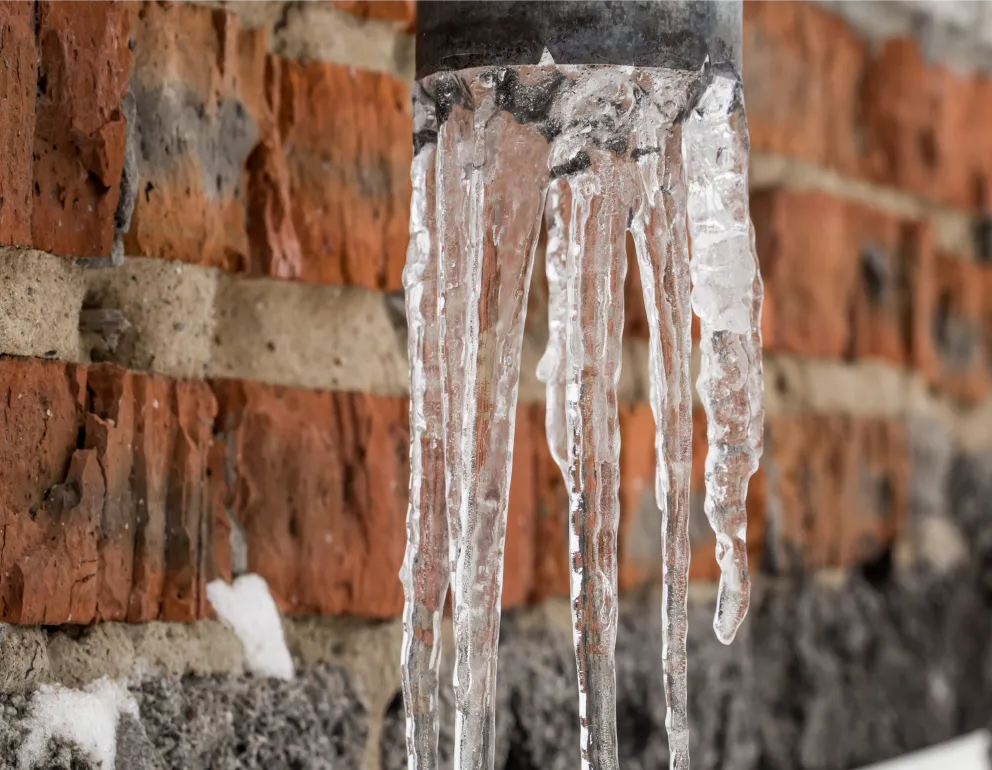
Frozen pipes occur when water inside a pipe is exposed to prolonged cold temperatures and begins to freeze. As ice forms, pressure builds within the line. If that pressure becomes too great, the pipe can crack or burst, resulting in significant water damage once temperatures rise and water flow returns.
Commercial facilities can be particularly vulnerable due to:
- Large plumbing networks throughout the building
- Exposed piping in mechanical rooms, attics, loading areas, or utility spaces
- Infrequently used areas with limited heat
- Older plumbing infrastructure
- Buildings that experience reduced occupancy during holidays or weekends
Even a single frozen pipe can create disruptions throughout an entire facility.
Warning Signs of Frozen Pipes
Identifying a frozen pipe early can help prevent larger problems.
Common warning signs include:
Reduced Water Flow
A noticeable drop in water pressure or flow may indicate that ice is restricting movement through the pipe.
Frost on Exposed Pipes
Visible frost or ice buildup on exposed plumbing is often an early indicator of freezing conditions.
Unusual Sounds
Banging, gurgling, or unusual noises coming from plumbing systems may indicate pressure changes caused by freezing water.
Unexplained Water Issues
If certain fixtures stop receiving water while others remain operational, a frozen section of piping may be restricting flow.
Steps to Help Prevent Frozen Pipes
The best approach to winter plumbing issues is prevention.
Insulate Vulnerable Piping
Pipes located near exterior walls, in utility rooms, above ceilings, or in unconditioned spaces should be properly insulated before winter arrives.
Maintain Building Temperatures
Avoid allowing building temperatures to drop too low during nights, weekends, or holiday closures.
Even in unoccupied spaces, maintaining consistent temperatures can help protect plumbing infrastructure.
Seal Drafts and Air Leaks
Cold air entering through gaps, cracks, or openings can expose nearby piping to freezing conditions.
Inspect doors, windows, utility penetrations, and building envelope components for potential problem areas.
Inspect Older Plumbing Systems
Aging plumbing systems may be more susceptible to freezing and failure.
Routine inspections can help identify vulnerable piping, deteriorating insulation, and other conditions that increase risk.
Prepare Seasonal Systems
Irrigation lines, hose bibs, and other seasonal plumbing systems should be properly shut down and winterized before freezing weather arrives.
What To Do If a Pipe Freezes
If you suspect a pipe has frozen:
- Identify the affected area if possible.
- Open connected fixtures to relieve pressure.
- Avoid using open flames or excessive heat to thaw pipes.
- Monitor for signs of leaks as the pipe begins to thaw.
- Contact a commercial plumbing professional if the situation cannot be safely addressed.
If a pipe has already burst, shut off the water supply immediately and contact an emergency plumbing provider.
The Value of Preventative Maintenance
Many winter plumbing emergencies can be avoided through proactive maintenance and routine inspections.
A preventative maintenance program can help facilities:
- Identify vulnerable piping before winter arrives
- Improve system reliability
- Reduce emergency repair costs
- Extend the life of plumbing infrastructure
- Minimize operational disruptions
For commercial facilities, preventative maintenance is often far less expensive than emergency repairs and water damage restoration.
Partner With Bates Mechanical Plumbing
Winter weather can place unexpected stress on commercial plumbing systems, but preparation goes a long way toward preventing costly disruptions.
Bates Mechanical Plumbing works with facility managers, property owners, and commercial operators throughout Atlanta to help maintain reliable plumbing systems year-round. From preventative maintenance and inspections to emergency repairs, our team is committed to helping customers stay ahead of problems before they impact operations.
If you’re preparing your facility for winter, Bates Mechanical Plumbing can help assess your plumbing systems and identify opportunities to reduce risk before freezing temperatures arrive.