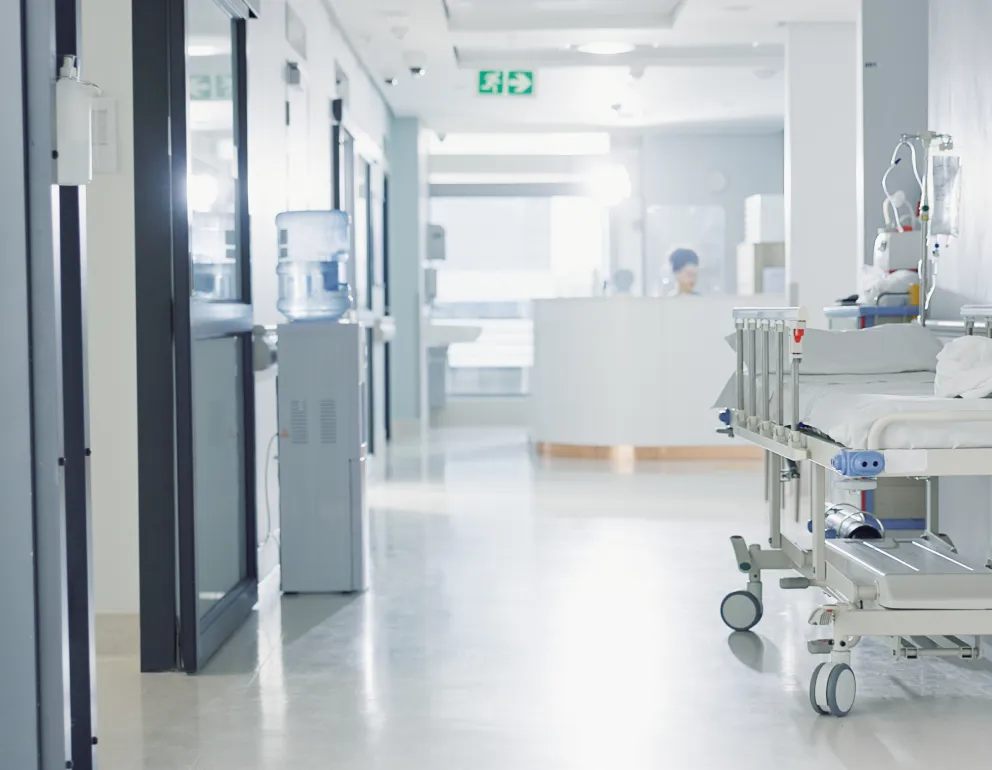
Healthcare facilities have some of the most demanding plumbing requirements of any commercial building.
Unlike a typical office, retail space, or warehouse, plumbing systems in healthcare environments directly impact patient safety, regulatory compliance, infection control, and daily operations. From medical gas systems to domestic water quality, these systems play a critical role in keeping facilities operational.
Whether you’re managing a hospital, outpatient center, medical office building, or specialty healthcare facility, understanding these common challenges can help reduce risk and support long-term system performance.
1. Medical Gas Systems Require Specialized Expertise
Medical gas systems are among the most critical plumbing systems found in healthcare facilities.
These systems deliver oxygen, medical air, vacuum, and other gases that support patient care. Because they directly affect patient safety, installation, maintenance, and testing requirements are significantly more stringent than traditional commercial plumbing systems.
Proper medical gas systems require:
- Specialized installation and certification
- Routine testing and verification
- Ongoing maintenance and inspection
- Strict compliance with healthcare regulations
Even minor issues can have major consequences, which is why healthcare facilities should work with contractors experienced in medical gas piping systems and healthcare environments.
2. Backflow Prevention Protects Water Quality
Protecting potable water is essential in any facility, but it becomes even more important in healthcare settings.
Medical facilities often contain equipment, laboratories, sterilization systems, and specialty fixtures that create potential cross-connection risks. Without proper backflow prevention, contaminants could potentially enter the domestic water supply.
Effective backflow prevention programs include:
- Proper device selection and installation
- Routine testing and certification
- Ongoing inspection and maintenance
- Compliance with local regulations
For healthcare facilities, backflow prevention is not simply a maintenance item—it is a critical patient safety measure.
3. Hot Water Systems Must Balance Safety and Performance
Healthcare facilities rely heavily on hot water for sanitation, cleaning, patient care, and daily operations.
Maintaining proper temperatures throughout the system is essential. Water temperatures that are too low can create operational concerns, while temperatures that are too high can create safety risks.
Facility teams should focus on:
- Consistent hot water delivery
- Proper water heater performance
- Routine system maintenance
- Monitoring and testing of temperature control devices
A well-maintained hot water system helps support both safety and reliability throughout the facility.
4. Emergency Response Planning Matters
Healthcare facilities operate around the clock, which means plumbing issues cannot simply wait until the next business day.
A water line failure, sewer backup, or major plumbing issue can impact patient care areas, staff operations, and facility safety.
Preparing for emergencies includes:
- Knowing emergency shutoff locations
- Establishing response procedures
- Maintaining critical system documentation
- Partnering with a commercial plumbing contractor capable of rapid response
The goal is to minimize disruption and restore normal operations as quickly as possible.
5. Plumbing Systems Impact More Than Plumbing
Many healthcare facility systems are interconnected.
Domestic water systems, drainage infrastructure, medical gas piping, equipment connections, and building mechanical systems often work together to support overall facility performance.
When one system experiences issues, the effects can extend beyond plumbing alone.
This is why healthcare facilities benefit from preventative maintenance programs that take a broader view of building infrastructure rather than addressing problems only after they occur.
The Importance of Preventative Maintenance
Healthcare facilities place significant demands on plumbing systems every day.
Routine inspections, preventative maintenance, and proactive planning help:
- Reduce emergency repairs
- Improve system reliability
- Extend equipment life
- Support compliance requirements
- Minimize operational disruptions
For many facilities, the most costly plumbing issues are the ones that could have been identified before they became emergencies.
Partner With Bates Mechanical Plumbing
Bates Mechanical Plumbing has extensive experience supporting healthcare facilities throughout the Atlanta area. Our team understands the unique demands of medical environments and the importance of reliable plumbing infrastructure.
From medical gas piping and backflow prevention to preventative maintenance and emergency service, we help healthcare facilities maintain safe, reliable, and compliant plumbing systems that support both patients and staff.
When plumbing systems are critical to your operations, experience and follow-through matter.